
NOMATEN Winter School 2026
Bringing scientists together, inspiring the next generation
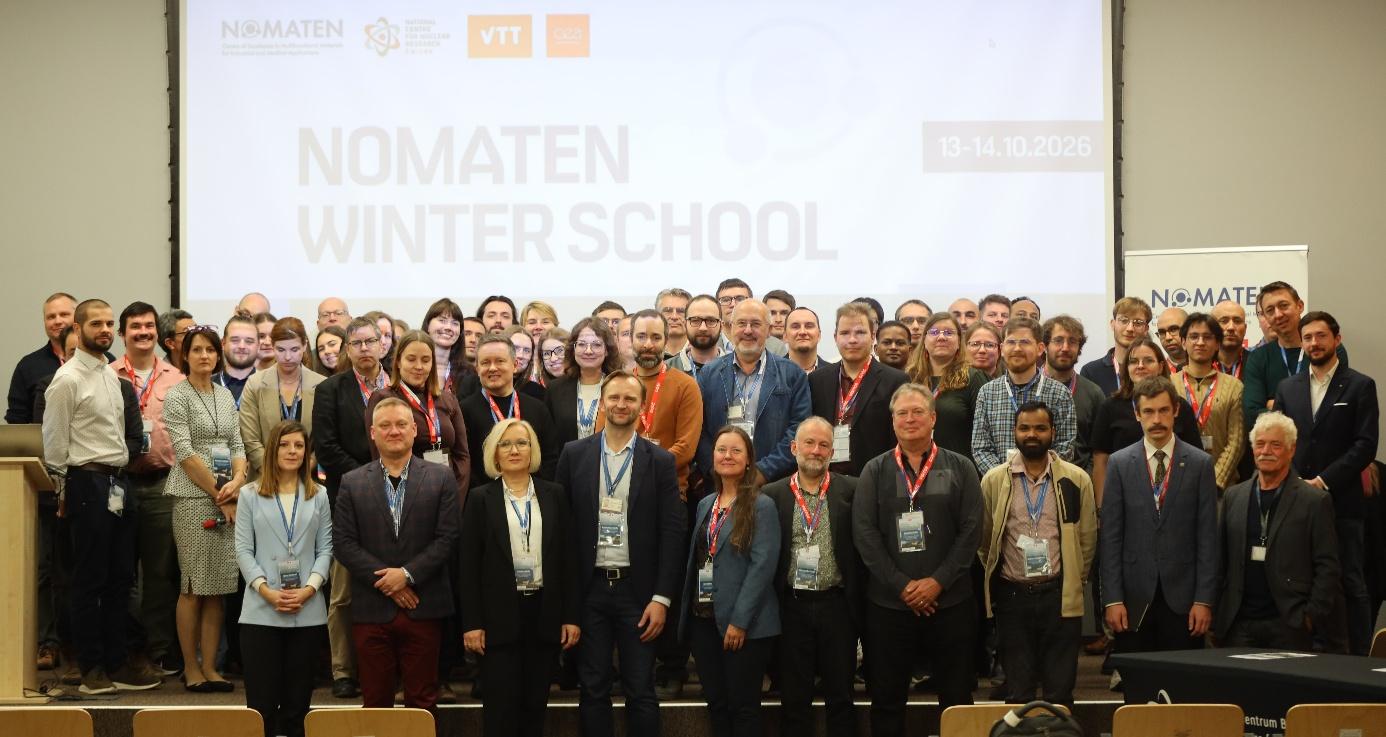
On 13–14 October 2026, the National Centre for Nuclear Research (NCBJ) in Świerk, Poland, hosted the sixth edition of the NOMATEN Winter School. Organised jointly by NCBJ, VTT Technical Research Centre of Finland, and the French Alternative Energies and Atomic Energy Commission (CEA), the event brought together researchers, experts, and PhD students for two days of scientific exchange, discussions, and opportunities for international collaboration.
The NOMATEN Winter School has become an important annual meeting point for scientists working across materials science and radiopharmaceutical research. This year's edition offered a broad scientific programme, bringing together established experts and early-career researchers to share their latest findings, exchange perspectives, and explore new directions for joint research.
Strengthening international scientific collaboration
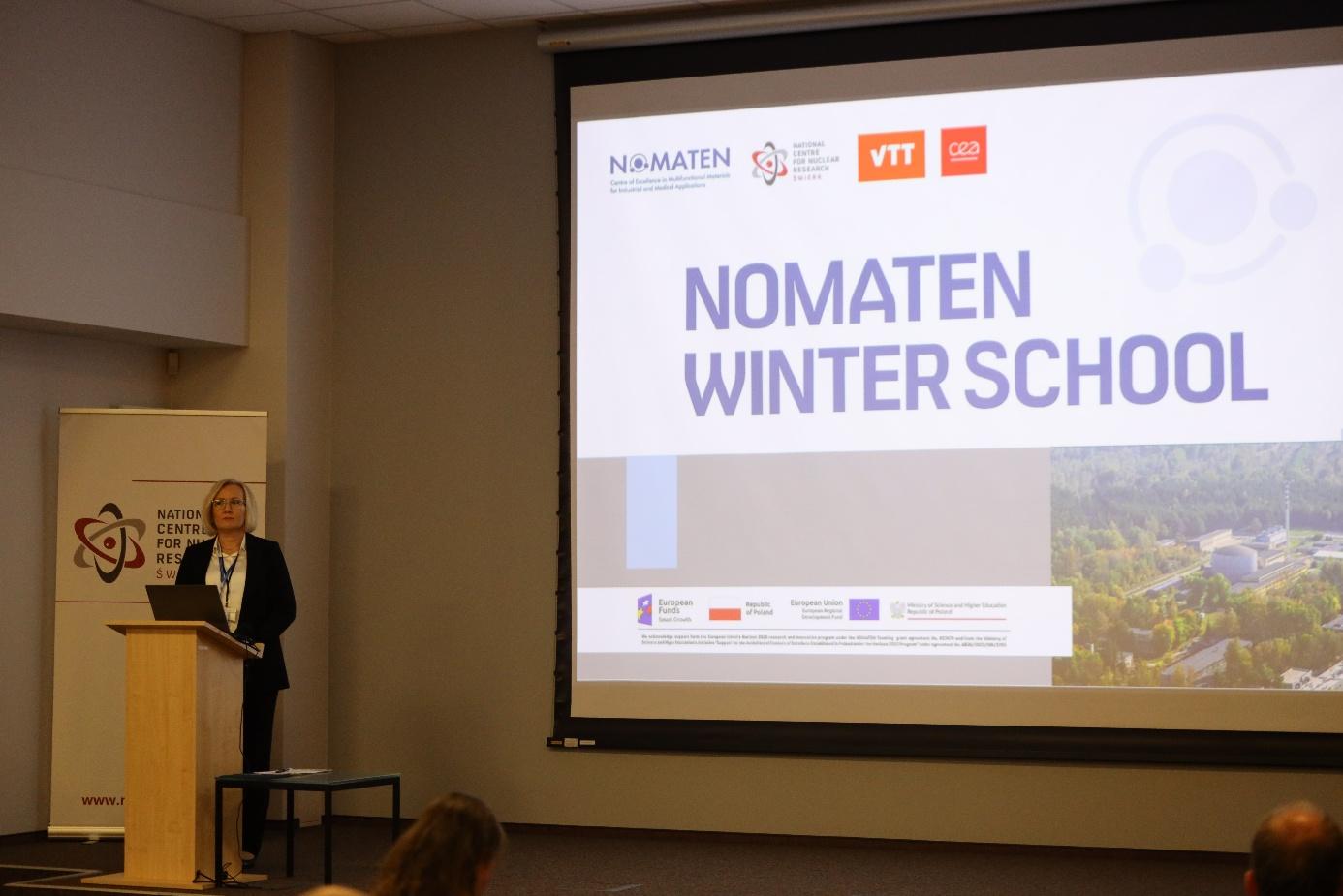
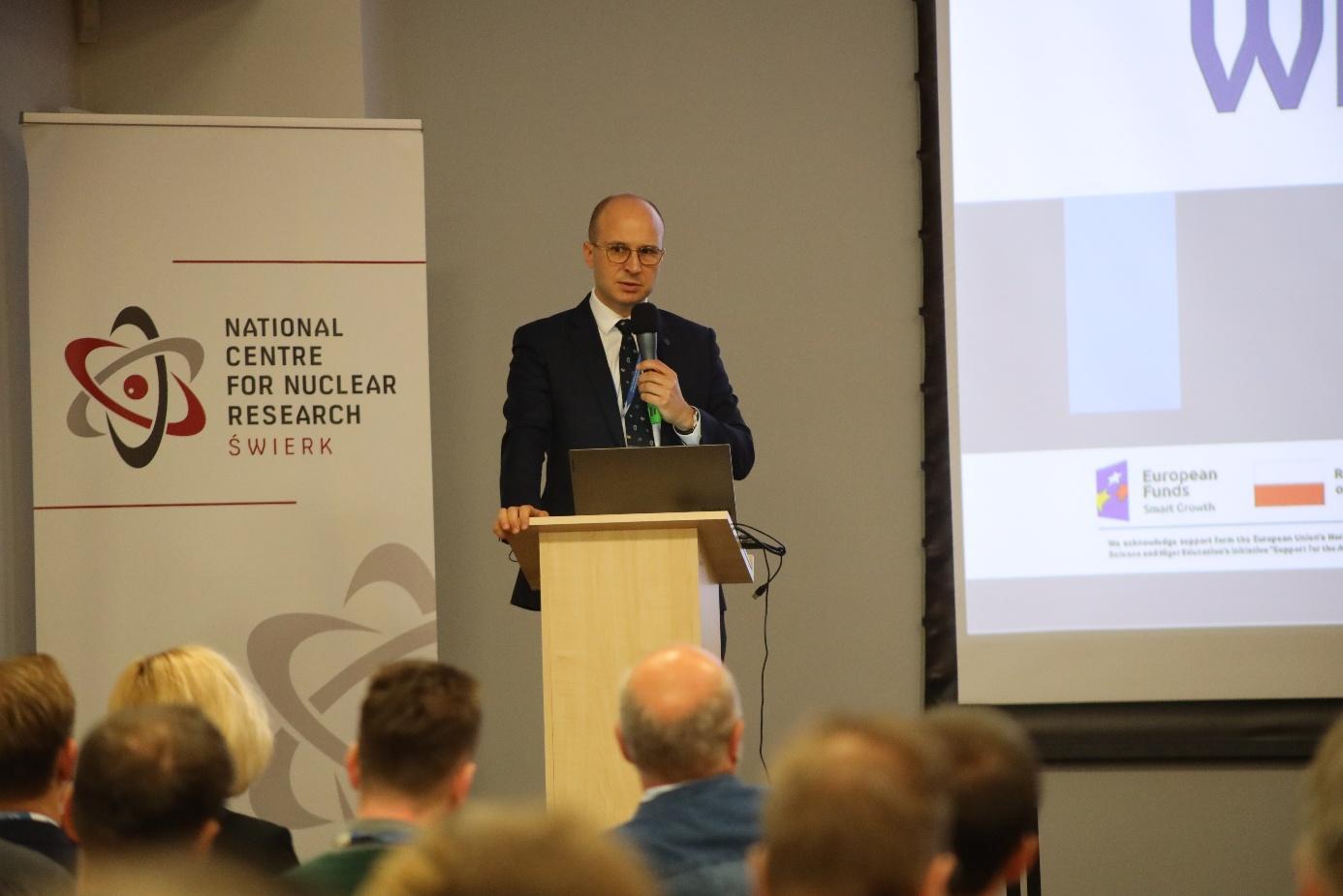
The School opened with welcoming remarks from Prof. Jakub Kupecki, Director of NCBJ, followed by presentations highlighting the achievements and ongoing activities of the NOMATEN Centre of Excellence.
Representatives of the three partner institutions – NCBJ, VTT, and CEA – presented their current research activities and discussed opportunities for further collaboration. The opening session also introduced the five NOMATEN research groups, providing participants with an overview of their scientific expertise, research infrastructure, and ongoing projects. These presentations established a common starting point for the discussions that followed, highlighting the complementary capabilities of the partner institutions and the importance of international cooperation in addressing complex scientific challenges.
From radiopharmaceuticals to advanced materials
The scientific programme reflected the multidisciplinary nature of NOMATEN research, covering radiopharmaceutical sciences, nuclear materials, and advanced materials for non-nuclear applications.
The first day's scientific session focused on radiopharmaceutical sciences, with presentations addressing innovative approaches to cancer diagnosis and treatment, targeted radionuclide therapy, radiolabelling strategies, and the development of new radiopharmaceutical compounds. The session featured an invited lecture by Rafał Walczak from the Institute of Nuclear Chemistry and Technology in Warsaw, alongside contributions from researchers at NCBJ and CEA. Discussions highlighted both recent scientific developments and opportunities to strengthen cooperation in radiopharmaceutical research.
The second day expanded the scientific scope to materials science, with sessions dedicated to nuclear and non-nuclear applications. The nuclear materials session featured an invited lecture by David Simeone (CEA), who presented a multiscale approach to understanding radiation-induced microstructural evolution. Other contributions addressed radiation damage, advanced alloys, corrosion resistance, material behaviour under reactor-relevant conditions, and computational modelling.
The non-nuclear materials session opened with an invited lecture by Jan Wróbel from Warsaw University of Technology, focusing on multiscale modelling of high-entropy alloys. Subsequent presentations explored alloy design, advanced composites, functional materials, electrochemical sensors, and emerging hydrogen technologies.
Together, these sessions demonstrated how experimental characterization, theoretical modelling, and materials design can complement one another in developing solutions for energy, industrial, and medical applications.
A dedicated platform for young scientists
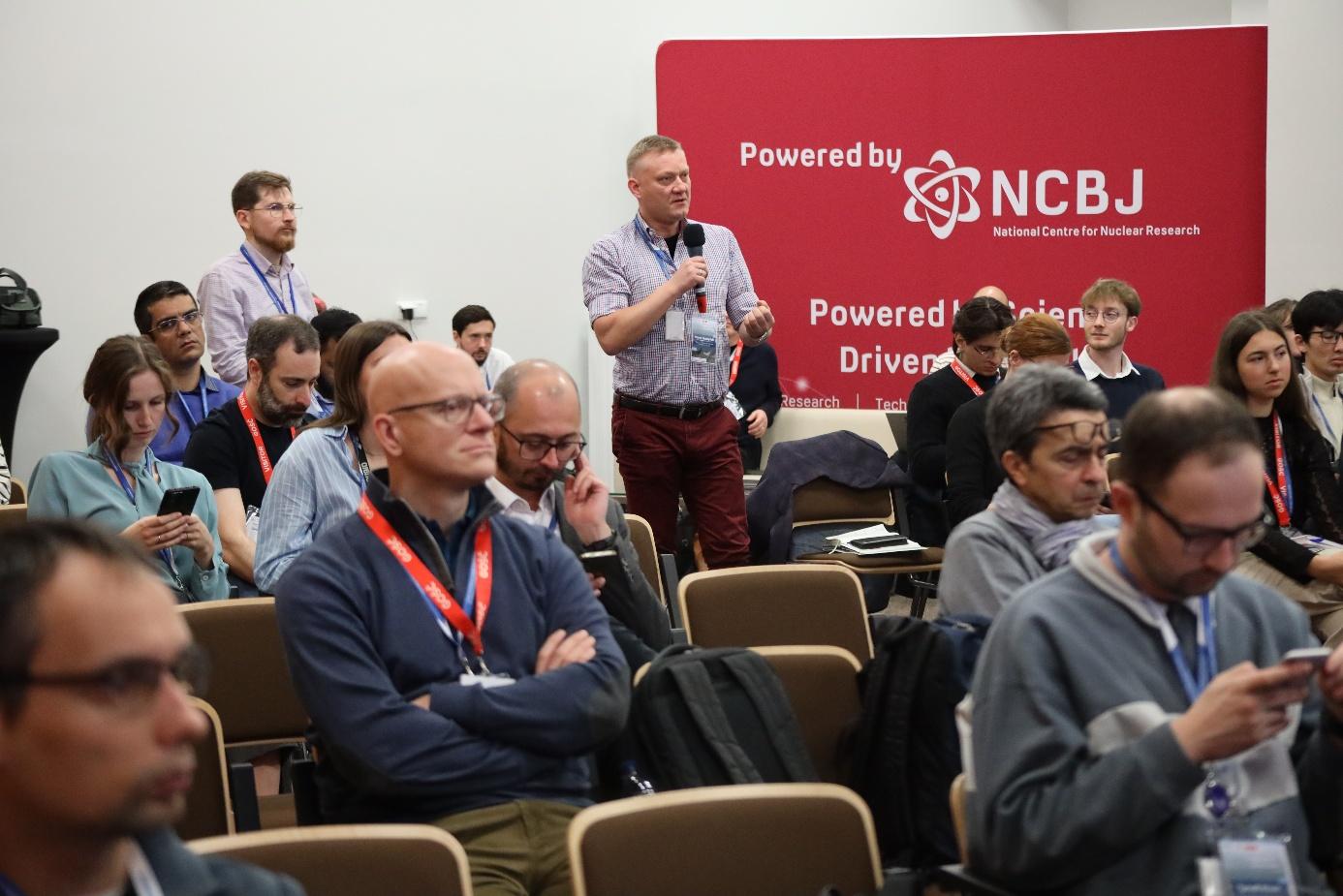
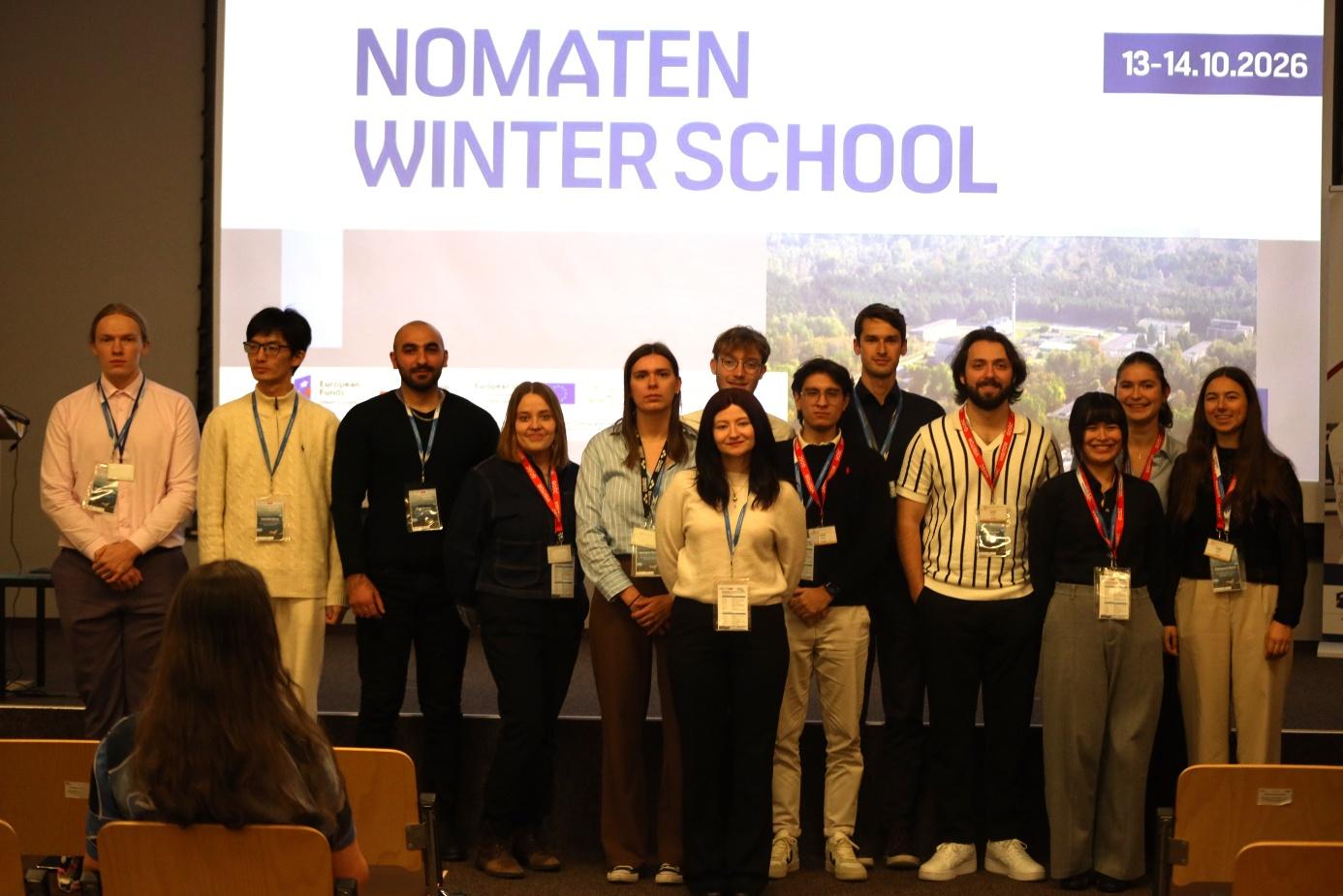
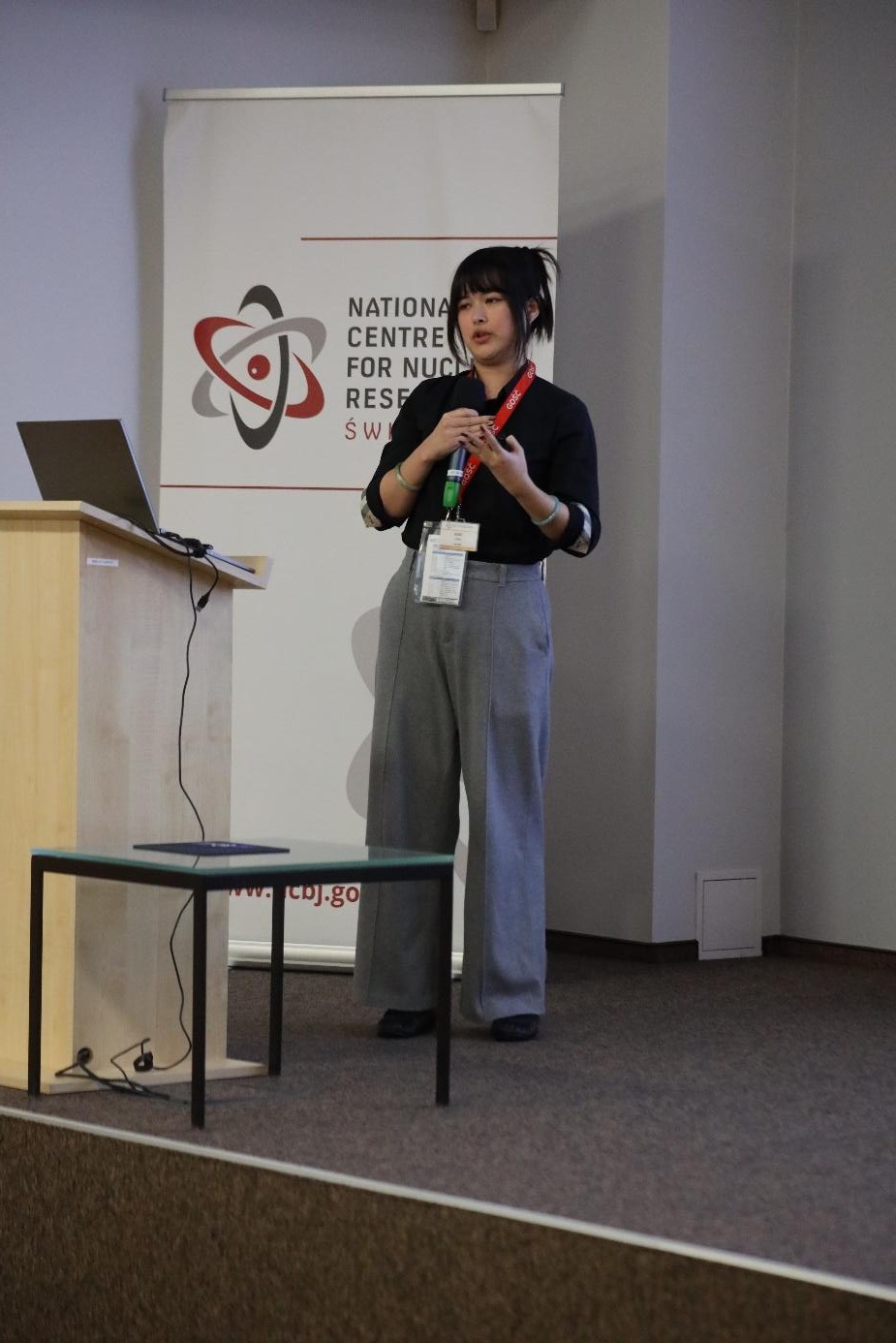
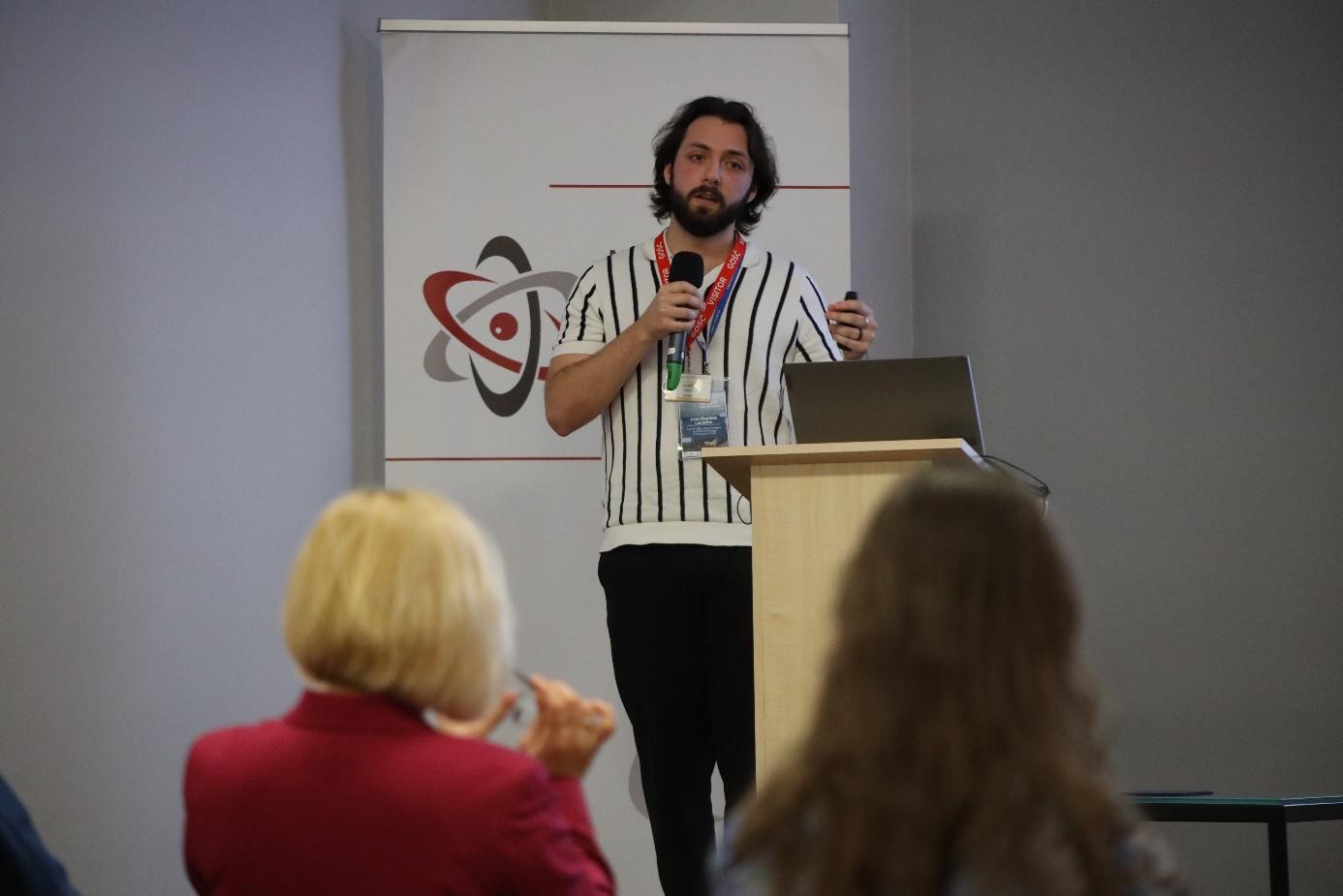
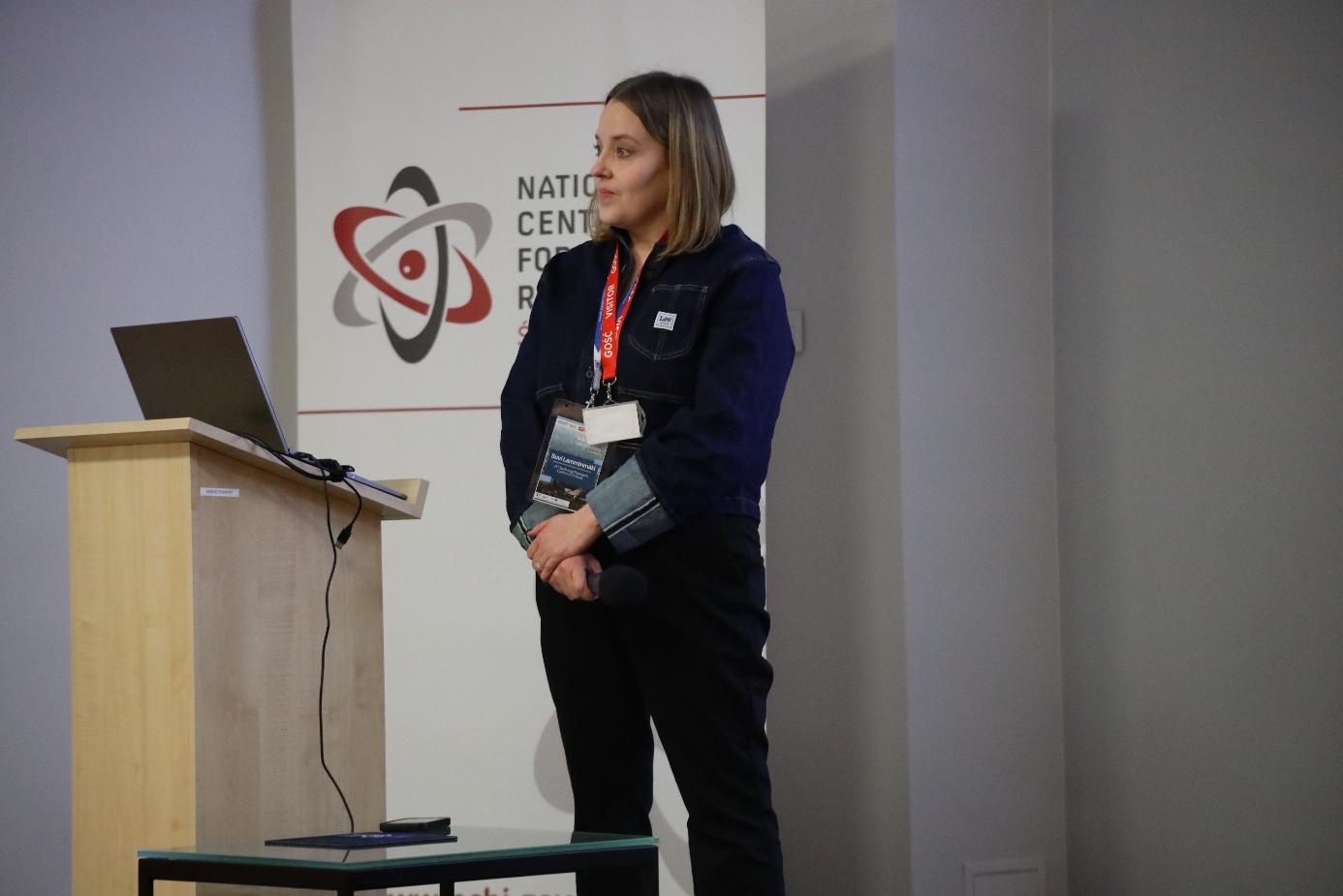
One of the central elements of NOMATEN Winter School 2026 was the PhD session, which occupied the entire morning of the second day. Fourteen doctoral researchers from NCBJ, VTT, and CEA presented their work across a remarkably diverse range of topics, including radiation-resistant alloys, additive manufacturing, computational materials science, radioactive waste management, and innovative radiopharmaceutical approaches. Beyond presenting scientific results, the session provided young researchers with an opportunity to develop essential communication skills: explaining their research to an international audience, responding to questions, defending their conclusions, and engaging in scientific discussions.
A particularly important objective of the School was to create an open, welcoming environment in which PhD students could feel comfortable sharing their results, including ongoing work, and discussing scientific challenges with more experienced colleagues. The session encouraged interaction across institutions, disciplines, and career stages, helping young scientists gain confidence while building connections within the international research community. At the closing ceremony, certificates were presented to the PhD speakers in recognition of their contributions to the scientific programme.
Beyond the lecture hall
Scientific collaboration often begins with informal conversations. Recognizing this, the Winter School programme provided opportunities for participants to interact beyond the formal presentations. Laboratory visits at NCBJ allowed participants to become acquainted with the research infrastructure and experimental capabilities available within NOMATEN. Coffee breaks, shared lunches, and the welcome dinner in Warsaw created additional opportunities to exchange ideas, discuss research challenges, and establish new professional contacts. A guided tour of Warsaw, organized before the official opening, also offered international participants an opportunity to connect in a more informal setting. These activities complemented the scientific programme, contributing to the friendly and collaborative atmosphere of the event.
Looking ahead
NOMATEN Winter School 2026 once again demonstrated the value of bringing together researchers from different institutions, disciplines, and career stages. The event provided an opportunity not only to present scientific achievements but also to identify common research interests, strengthen existing partnerships, and encourage new collaborations. Above all, the School reaffirmed an important principle: scientific progress depends not only on advanced research infrastructure and technical expertise, but also on open communication, constructive discussion, and the willingness to share knowledge. By giving young scientists a prominent place in the programme and encouraging dialogue between researchers at different stages of their careers, the sixth NOMATEN Winter School contributed to building a collaborative international scientific community.
The organizers sincerely thank all speakers, participants, session chairs, and colleagues involved in preparing the event, as well as the partner institutions NCBJ, VTT, and CEA, for their contributions to the success of NOMATEN Winter School 2026.

Photo gallery
The project NOMATEN has received funding from the European Union's Horizon 2020 research and innovation program under the NOMATEN Teaming grant agreement No. 857470 and is co-financed from the Ministry of Science and Higher Education's initiative "Support for the Activities of Centers of Excellence Established in Poland under the Horizon 2020 Program" under agreement No. MEiN/2023/DIR/3795.











Tags